
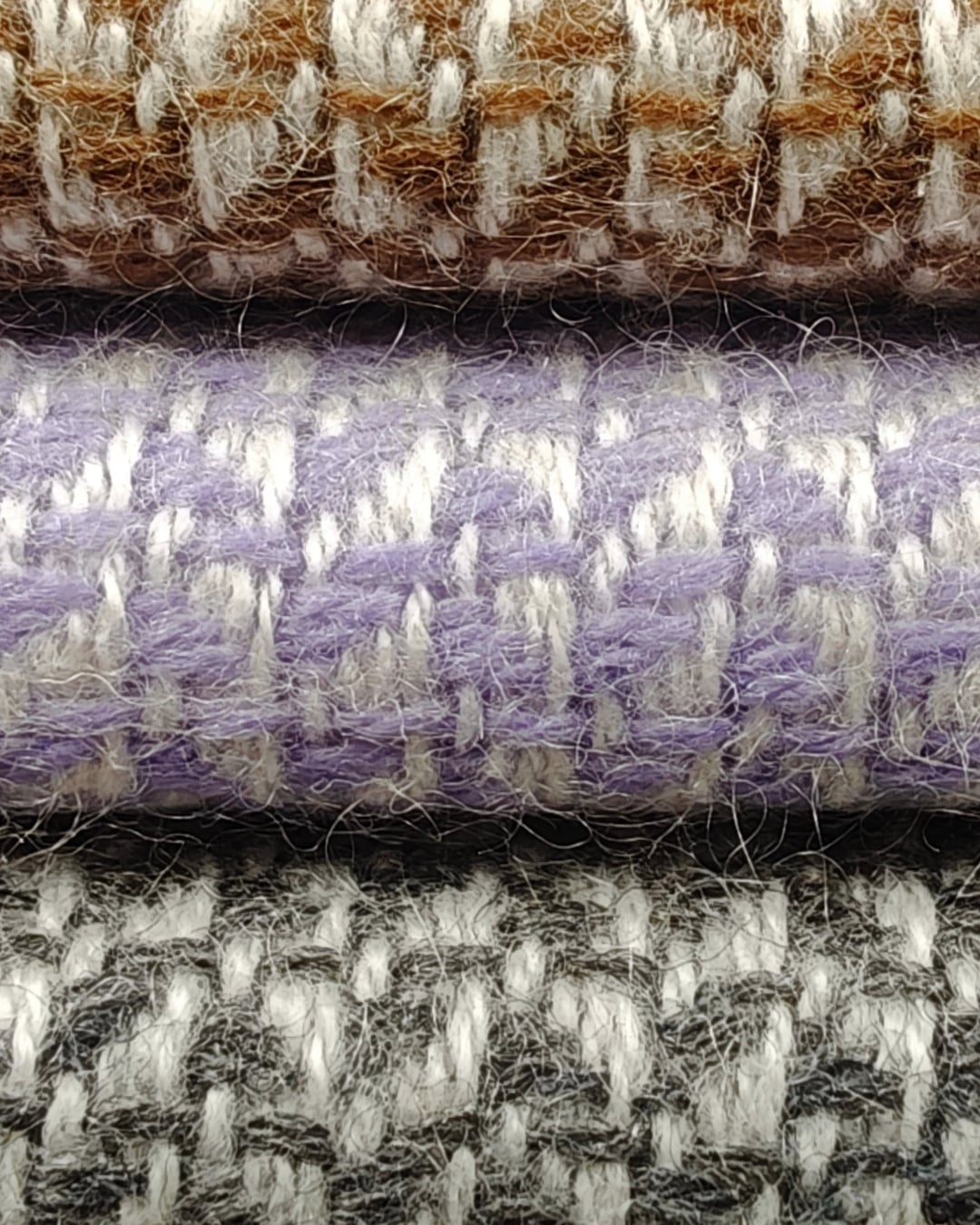
"Origin, fibre fineness, processing. What changes between Mongolian and Chinese cashmere, and why origin affects quality and price."
On the label of a cashmere scarf you often read "100% cashmere" and nothing else. But cashmere is not all alike: its geographical origin – Inner Mongolia, Outer Mongolia, China – and the section of the undercoat it comes from substantially change the quality of the final product. Understanding the difference helps you judge whether a cashmere is worth its price.
Where cashmere comes from. The fibre is taken from the undercoat of the cashmere goat, which lives in regions with extreme thermal swings (between -30 and +30 degrees over the year). The three great producing basins worldwide are Outer Mongolia (Republic of Mongolia), Inner Mongolia (autonomous region of China, the world's largest producer) and other Chinese provinces such as Gansu, Qinghai and Xinjiang. Each area yields cashmere with slightly different characteristics.
Mongolian cashmere. Outer Mongolia has the harshest winters, and Mongol Bayanchandman and Zalaa Jinst goats develop a particularly thick and fine undercoat. Fibres harvested here typically measure between 14 and 15.5 microns in diameter, are 36 to 40 millimetres long, and contain a very high share of pure undercoat (over 90%). It is considered the "Champagne" of the sector: feather-light, exceptional warmth, softness that survives dozens of washes.
Cashmere from Inner Mongolia. Here too, Alashan and Erdos goats produce top-tier cashmere, with micronage comparable to the Mongolian one. The difference is not so much in the fibre as in the supply chain: Inner Mongolia is organised around large cooperatives and advanced industrial processes, while Outer Mongolia retains a more artisanal harvesting still done by hand-combing.
Cashmere from other Chinese provinces. Goats in the more southern Chinese areas – Gansu, Qinghai – face less rigorous winters. They still produce cashmere, but with slightly thicker (16–18 microns) and shorter fibres. Well-woven, it remains an acceptable cashmere, but it is the category that many generic "100% cashmere" labels hide: a decent fibre, not an exceptional one.
How to recognize them. To the touch, Mongolian or Inner Mongolian cashmere is noticeably softer and warmer in the hands. To the eye, it has a muted, almost silken lustre, while coarser cashmeres look more "woolly", closer to merino wool. To the wash, the difference emerges over time: a fine cashmere stays soft after dozens of cycles, a mid-low cashmere starts to felt and pill after five or six washes.
Why origin affects price. A scarf in Mongolian or Inner Mongolian cashmere usually starts at 150–200 euros for entry-level pieces and exceeds 400–500 euros for the great houses' models. A generic low-micronage Chinese cashmere can cost the end customer 60–80 euros. When a "100% cashmere" scarf is on sale below 50 euros, it is almost certain the fibre comes from the cheapest segment of the supply chain.